Barndominium Builders in Schenectady County, New York
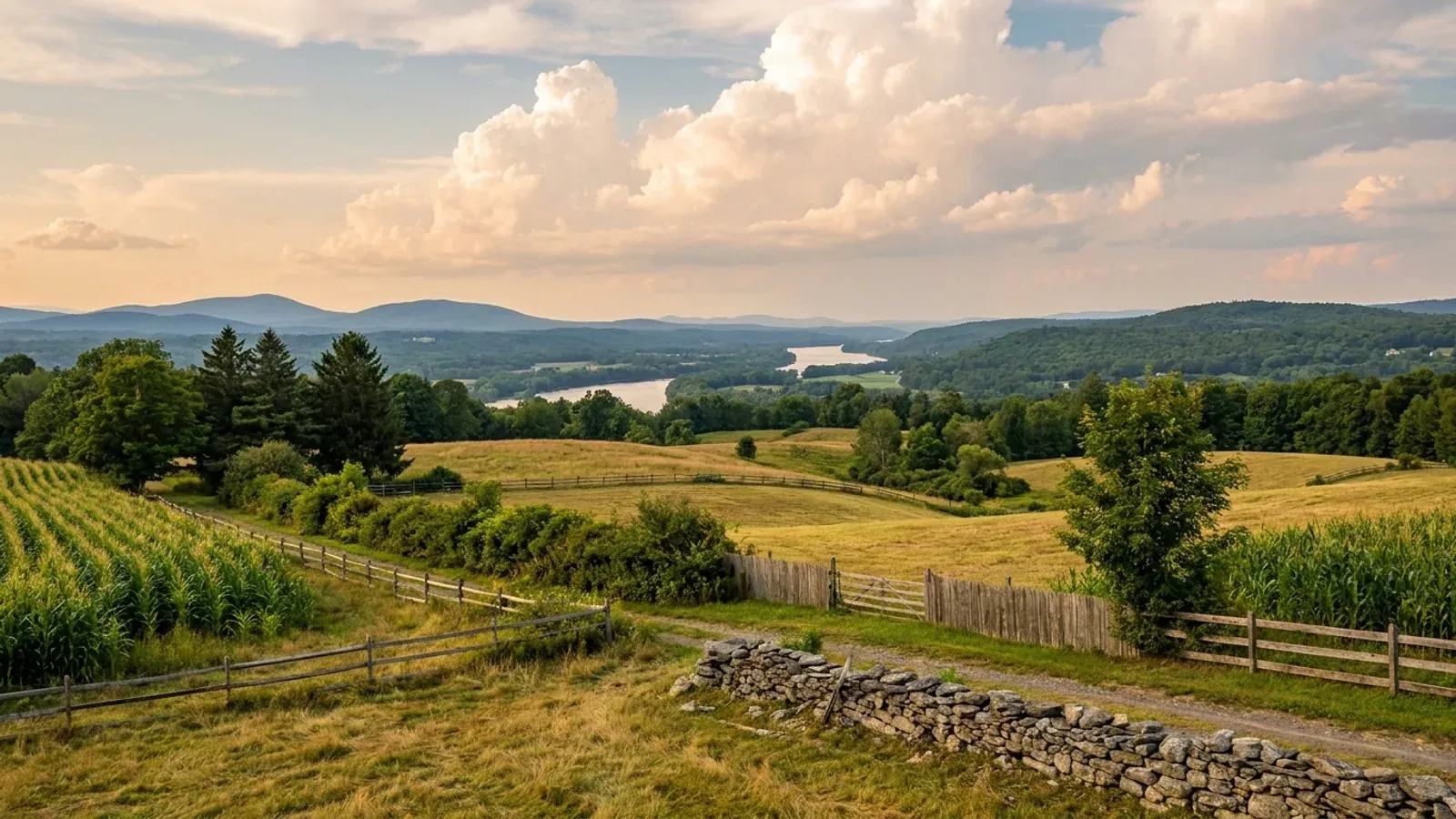
Schenectady County is small, but it holds two very different kinds of ground. Around the county seat, the City of Schenectady, and in Niskayuna and Rotterdam the land is mostly suburban and served by public water. West and north the county opens up: Duanesburg and Princetown are farm and hill country, and the upper reaches of Glenville still carry fields and woodlots. That rural side is where a barndominium fits, whether it is a family home with a heated shop or a horse barn with living quarters. New York Barndominium Builders plans each project around the parcel, the town that permits it and the county sanitary rules that govern its septic system. You can take barndominium kits and run the build yourself, or hand us the whole project as a turnkey build. Pole barn homes with open spans are available as well. Start with the survey and tell us which town the land is in and how you plan to use it.
Schenectady County at a glance
- County
- Schenectady County
- Building permit
- The town, village or city where the land sits
- Local facts on this page
- 4, each linked to its source
Before you build in Schenectady County
The local answers that shape a build here, each taken from the office or document that publishes it. Rules change, so we confirm them again against your parcel before drawing.
The town, village or city building department where the parcel sits
Building permits are issued by the municipality. The Town of Glenville's Building Department, for example, enforces the town code and the New York State Uniform Code, requires permits for new construction among many other projects, and asks applicants to plan on about ten days of review for most applications.
Source: Building Department, Town of Glenville (townofglenville.gov)
Schenectady County Public Health Services, Environmental Health Division
Schenectady County issues the engineering plan approvals and construction permits for installing and repairing septic systems. A percolation test in the planned absorption area shows whether the soil can treat the wastewater, and the county's Environmental Health Division enforces the state and local sanitary codes.
Source: Drinking Water & Wastewater, Schenectady County (schenectadycountyny.gov)
The Schenectady County Agricultural District, created in 1988, covers about 20,400 acres, nearly 15 percent of the county. It protects farm operations from overly restrictive local laws; it does not exempt a new home from permits. Landowners can ask to be added each year from 1 to 30 December.
Source: Agricultural District, Schenectady County (schenectadycountyny.gov)
- Great Flats Aquifer protection zones
- Land over the Great Flats Aquifer, which supplies the City of Schenectady, the Village of Scotia and the Towns of Glenville, Niskayuna and Rotterdam, falls under Intermunicipal Watershed Rules and Regulations adopted in 1991. They set four protection zones: no development is allowed in Zone I, and development in Zones II to IV is restricted.
- Well water testing
- The county's Environmental Health Division offers residents free analysis of private well water samples for coliform bacteria, and advises testing a well at least once a year for bacteria and every three to five years for other contaminants.
Source: The Great Flats Aquifer, Schenectady County (schenectadycountyny.gov)
Source: Drinking Water & Wastewater, Schenectady County (schenectadycountyny.gov)
Building on land near Schenectady County
For a barndominium, the western half of the county is the place to look. Duanesburg and Princetown hold much of the county's open farmland, with farm fields, hedgerows and back roads where a wide steel or pole building sits naturally, and most of that ground relies on a private well and septic system. Glenville, north of the Mohawk, mixes suburban streets near Scotia with rural land farther out, and close to the Mohawk it is worth checking the Great Flats Aquifer protection zone map before you buy. The Schenectady city lots, and most of Niskayuna, are better suited to a conventional home. Next door, Albany County and Saratoga County offer more rural choices.
Where we build in this part of New York
Albany, Saratoga & the Capital Region
Barndominium kits delivered to Schenectady County
Kits, pole barn homes, custom plans and turnkey builds. The parcel decides the budget more than the floor area does, so we price against your land rather than a rate card.
Barndominium Kits
Barndominium kits NY: barndo kits and shell kits for New York land, steel or pole barn, sized to the snow at your address and delivered upstate.
Pole Barn Homes
Pole barn homes in New York: post-frame houses and barndominiums with footings below the frost line, trusses sized for snow, and conventional finishes.
Custom Plans
Custom barndominium plans for New York: your layout, your shop, drawn around the land, the snow and the approvals your town will ask for.
Have land in or near Schenectady County? Tell us about the parcel and what you want to build, and we will check it against the local rules before anything is drawn.
Building in Schenectady County: questions
Start the surveyHow much does a barndominium cost in Schenectady County?
Do I need a building permit for a barndominium in Schenectady County?
Does a farm in the Agricultural District avoid building permits?
Keep reading
What usually comes next once you know what Schenectady County allows.
Barndominium Cost Guide
Sourced per-square-foot ranges by tier and size, and what moves the number on your land.
Read itIs a Barndominium Legal in New York?
Zoning, septic and who inspects, before you buy the land.
Read itHow Long Does It Take?
From parcel to move-in, and which steps set the clock.
Read itSources for this page
The published pages behind the Schenectady County facts above. Rules change, so check the current version with the office before you rely on it.
- Building Department, Town of GlenvilleBuilding permit authoritytownofglenville.gov
- Drinking Water & Wastewater, Schenectady CountySeptic or sewer; Well water testingschenectadycountyny.gov
- The Great Flats Aquifer, Schenectady CountyGreat Flats Aquifer protection zonesschenectadycountyny.gov
- Agricultural District, Schenectady CountyAgricultural Districtschenectadycountyny.gov
Barndominium builders near Schenectady County
Nearby places we also build in. Across a city, town or county line the permit office, zoning and septic rules can change, so each has its own page.
Building in Schenectady County?
Start with the survey. Tell us where the land is and what you want on it, and we will come back with which office permits it, what it will allow, and a plan to fit.